What to Expect in Auto Mechanic School



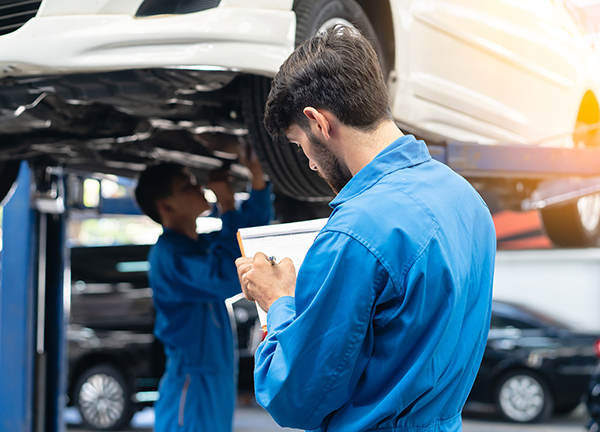
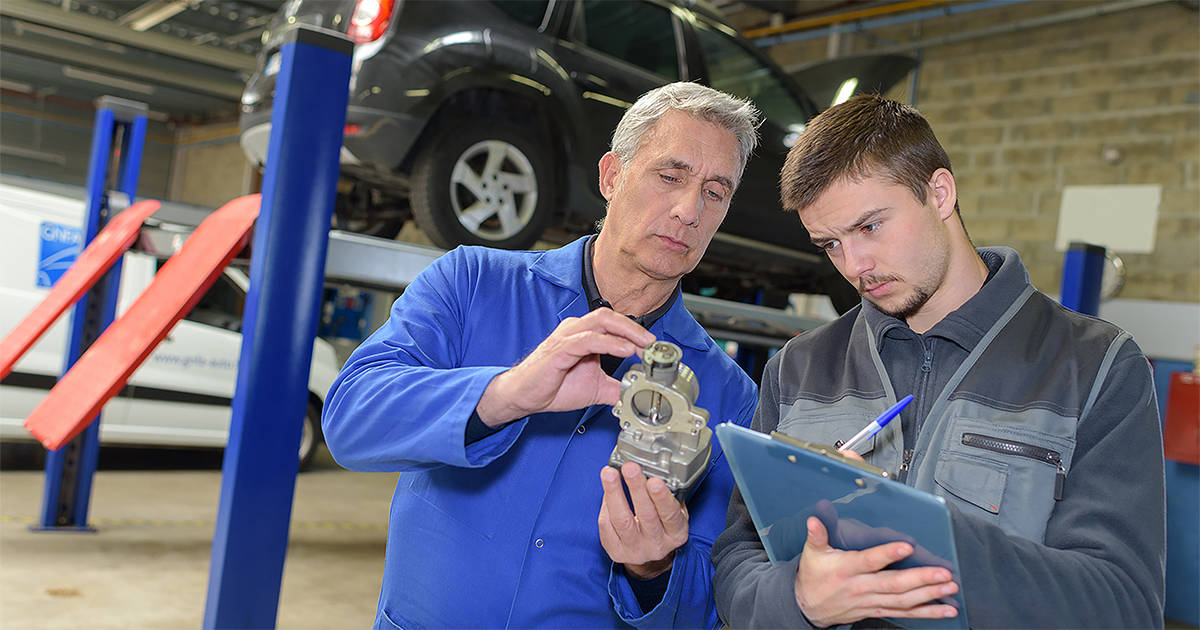
Auto mechanic school is where interest in cars starts becoming practical repair skill. Expect a mix of classroom lessons, hands-on shop practice, safety training, diagnostic work, tool use, service information, and repeated practice on vehicle systems.
It is not just wrenching on cars all day. And it is definitely not just sitting in a classroom memorizing diagrams until your soul leaks out through your ears.
A good automotive mechanic program should help you understand how vehicles work, how to inspect and test systems, how to follow repair information, and how to make better repair decisions instead of guessing. That matters because modern auto repair involves electronics, sensors, scan tools, customer documentation, safety procedures, and old-fashioned mechanical work all at once.
If you are still deciding between general mechanic training and collision repair, compare both paths in our guide to auto body vs. auto mechanic school.
Best for: beginners who are curious about auto mechanic school but want to know what classes, shop labs, tools, diagnostics, and expectations are really like before enrolling.
Bottom line: You do not need to be an expert before you start, but you do need patience, safe work habits, and a willingness to practice. School can give you structure before your first real shop experience.
Table of Contents
- What auto mechanic school is like
- What a typical week may look like
- What you learn in mechanic school
- Do beginners need experience?
- Is mechanic school hard?
- How long auto mechanic school takes
- Tools and cost questions
- Mechanic school vs. apprenticeship vs. on-the-job training
- How ASE certification fits in
- Questions to ask before enrolling
- FAQ
- Sources
Auto Mechanic School Is Usually Four Things at Once
Most auto mechanic programs combine classroom instruction with hands-on practice. The classroom side helps you understand how vehicle systems work. The shop or lab side helps you apply that knowledge with tools, measurements, inspections, and repairs.
Classroom theory
Learn how vehicle systems work before you try to inspect, test, or repair them.
Shop/lab practice
Practice procedures, measurements, inspections, and safe tool use in a supervised setting.
Diagnostics
Use scan tools, meters, wiring diagrams, service information, and troubleshooting steps.
Professional habits
Build the boring-but-important stuff: safety, documentation, repair orders, communication, and cleanup.
ASE Education Foundation standards say automotive training should be systematic, task-based, and performance-based. They also say safety instruction should happen before lab and shop work and remain part of the program.
What a Typical Week May Look Like
Every school is different, but a week in auto mechanic school may alternate between learning the idea and practicing the procedure. You study why something works, then you learn how to test, inspect, repair, or service it.
| Part of the week | What you may do | Why it matters |
|---|---|---|
| Classroom lesson | Learn how a system works through diagrams, service information, discussion, or online modules. | Gives context before you touch parts, tools, or live systems. |
| Instructor demo | Watch a repair, inspection, or diagnostic process from start to finish. | Shows the safe sequence and common mistakes before you practice. |
| Shop/lab practice | Inspect, test, remove, install, measure, document, and clean up. | Builds hands-on confidence through repetition. |
| Diagnostics | Use scan tools, multimeters, wiring diagrams, fault codes, and service procedures. | Teaches evidence-based repair instead of expensive guessing. |
| Review/testing | Complete written quizzes, performance checks, assignments, or lab make-up work. | Shows whether you can repeat the skill, not just watch someone else do it. |
What Do You Learn in Auto Mechanic School?
Auto mechanic school commonly covers vehicle systems, shop safety, tools, diagnostics, maintenance, repair procedures, and professional work habits. The exact curriculum varies, but many programs include engines, brakes, electrical systems, steering and suspension, drivetrains, HVAC, scan tools, and service documentation.
ASE automobile program standards include major areas such as engine repair, automatic transmission/transaxle, manual drive train and axles, suspension and steering, brakes, electrical/electronic systems, HVAC, engine performance, and tools/equipment.
Safety, tools, and shop procedures
Learn PPE, lift safety, hand tools, power tools, work orders, repair information, cleanup, and basic shop workflow.
Preventive maintenance
Practice oil and filter service, fluid checks, tire inspection, belts, hoses, batteries, leaks, and scheduled maintenance.
Engines and engine performance
Study fuel, ignition, cooling, lubrication, compression, sensors, emissions-related systems, and drivability complaints.
Brakes
Cover pads, rotors, drums, hydraulic systems, ABS basics, inspection, measurements, service procedures, and safety.
Steering and suspension
Learn shocks, struts, ball joints, tie rods, wheel bearings, alignment concepts, and tire wear patterns.
Electrical systems
Work with batteries, charging, starting, fuses, relays, wiring diagrams, meters, circuits, sensors, and modules.
Diagnostics and scan tools
Learn how to read trouble codes, compare data, test before replacing parts, and use service information properly.
Drivetrains
Depending on the program, study automatic transmissions, manual drive trains, axles, differentials, and transaxles.
HVAC
Learn heating, ventilation, air conditioning, refrigerant safety, climate-control basics, and related diagnostics.
Hybrid, EV, and advanced systems
Some programs introduce high-voltage safety, regenerative braking, electric motors, and advanced driver-assistance systems.
Find Auto Mechanic Training Near You
If this sounds like the kind of training you want, compare automotive mechanic programs near you. Ask each school how much shop time, diagnostic training, and tool support they include.
Do You Need Experience Before Starting Auto Mechanic School?
Usually, no. Many beginner-level programs are designed for students who have little or no professional automotive experience.
Prior experience can help. If you have changed oil, replaced brakes, helped with repairs, or spent time learning car basics, you may feel more comfortable at first. But you should not need to already know how to diagnose vehicles before starting school.
What matters more is whether you can follow instructions, work safely, ask questions, stay organized, handle frustration, and learn from mistakes. A beginner who listens, studies, and practices can beat a car guy who thinks he already knows everything. That guy is a walking stripped bolt.
Is Auto Mechanic School Hard?
Auto mechanic school can be challenging, but it is manageable if you take it seriously. The hard parts are usually not brute strength. They are the mental habits around diagnostics, safety, and careful procedures.
The parts students usually find hardest
- Reading electrical diagrams
- Using diagnostic logic instead of guessing
- Remembering safety steps
- Building tool confidence
- Taking accurate measurements
- Keeping up with assignments
- Handling physical shop work
- Being patient when the first answer is wrong
None of these mean you are not cut out for the trade. They are the parts that take repetition.
Some math may come up, but most of it is practical: fractions, decimals, measurements, conversions, torque specs, pressure readings, and basic electrical values. ASE standards also call for related math, science, communications, and interpersonal skills to be coordinated with technical training.
How Long Does Auto Mechanic School Take?
Auto mechanic school can take a few months to about two years, depending on the credential, schedule, and program format.
| Program type | Typical feel | Best fit |
|---|---|---|
| Short certificate | Focused, faster, and skill-specific. | Students who want entry-level skills quickly. |
| Diploma program | Career-focused and broader than a short certificate. | Students who want structured trade-school training. |
| Associate degree | Longer, often with general education plus automotive courses. | Students who want a broader college credential. |
| Online or hybrid program | Flexible and more theory-heavy unless paired with in-person labs. | Students who need schedule flexibility. |
Do not choose based on length alone. A shorter program with strong labs may be better than a longer weak one. A longer community-college program may be better if you want deeper system coverage, lower tuition, or a broader credential.
Will You Need Your Own Tools?
Ask About Tools Before You Enroll
Tool requirements vary by school. Some schools provide most shop tools and equipment. Others expect students to buy a basic hand-tool set. Before enrolling, ask what is included, what you must buy, when tools are needed, and whether student discounts, scholarships, grants, or financial aid can help.
ASE standards say tools and equipment used in training should match the type and quality found in the repair industry. They also say each student should have access to basic hand tools comparable to those required for employment, and students should be encouraged to purchase a hand-tool set during instruction.
That does not mean you need to show up on day one with a giant rolling box and a payment plan that ruins your blood pressure. Buy what the program actually requires, not what a tool influencer says you need to look cool online.
Mechanic School vs. Apprenticeship vs. Learning on the Job
There is more than one way into automotive repair. The best route depends on your finances, schedule, local employers, and how much structure you want.
| Route | Best for | Upside | Watch out for |
|---|---|---|---|
| Mechanic school | Beginners who want structure. | Broad foundation, instructor feedback, and supervised practice. | Costs money and still does not replace real shop experience. |
| Apprenticeship | People who can find a sponsor. | Earn while learning with real employer experience. | Quality depends heavily on the employer and mentor. |
| Entry-level shop job | People who need to earn now. | Start working quickly and avoid tuition. | Training may be narrow or inconsistent. |
| Online or hybrid training | People who need flexibility. | Helpful for theory and schedule control. | Limited hands-on practice unless paired with labs or work experience. |
The blunt version: school can help you avoid starting from absolute zero. Apprenticeship can help you earn while learning. On-the-job entry can work, but it depends on whether the shop actually teaches you or just sticks you in the oil-change pit forever.
For a deeper look at the earn-while-learning route, see our guide to automotive mechanic apprenticeships.
How ASE Certification Fits In
ASE certification matters, but it should not be confused with simply finishing school.
Some programs may prepare students for ASE Entry-Level tests or other credentials. Professional ASE certification generally involves passing exams and meeting work-experience requirements. School can help you prepare, and in some cases training may count toward part of an experience requirement, but real shop experience still matters.
- During school: You may prepare for ASE Entry-Level tests.
- After school: You build experience in an entry-level shop role.
- As you grow: You can pursue professional ASE certifications in specific areas.
- Long term: You may specialize in areas like engine performance, hybrid/electric vehicles, or advanced driver-assistance systems.
Do not choose a school only because someone says ASE in the brochure. Ask what that actually means: ASE-accredited program, ASE-certified instructors, ASE Entry-Level test prep, or professional certification prep. Those are not all the same thing. For more detail, see our guide to ASE certification.
How to Choose an Auto Mechanic School
A good auto mechanic school should be clear about what you will learn, how much hands-on practice you will get, what tools you need, and how the program connects to entry-level work.
Training quality
- How much hands-on shop/lab time is included?
- Are the vehicles, tools, scan tools, and service information current?
- Does the program include strong electrical and diagnostics coverage?
Costs and support
- What is the total cost, including tools, fees, uniforms, and testing?
- What support is available if you struggle with math, electrical systems, or diagnostics?
- Are student discounts, financial aid, scholarships, or grants available?
Career connection
- Are there employer relationships, externships, or work-based learning options?
- What entry-level roles do graduates usually pursue?
- Can you tour the shop before enrolling?
Questions to Ask Before Enrolling
- What systems will I learn?
- How much time is spent in the classroom vs. the shop?
- Do beginners need prior experience?
- What tools do I need to buy?
- Are tools included in tuition or separate?
- What credential will I earn?
- Does the program prepare students for ASE Entry-Level or other credentials?
- Are instructors ASE certified or industry experienced?
- Does the school offer work-based learning, externships, or employer connections?
- What kinds of entry-level jobs do graduates usually pursue?
- How current are the vehicles, tools, scan tools, and service information?
- Is hybrid, EV, or ADAS training included?
- What support is available for math, electrical systems, or diagnostics?
- What is the total cost, including fees, tools, uniforms, and testing?
- Can I tour the shop before enrolling?
That list may save you from a bad fit. Use it.
Should You Go to Auto Mechanic School?
Auto mechanic school may be worth considering if you want structured training, instructor support, hands-on practice, and a clearer way to prepare for entry-level automotive work.
It may be a good fit if you like solving practical problems, want hands-on work, can follow procedures, are willing to study technical material, can handle physical work, and want to understand modern vehicle systems.
It may not be the right fit if you expect school to make you a master technician immediately, hate troubleshooting, refuse to read instructions, or only like cars when nothing is broken.
Working on vehicles professionally is different from liking cars. School helps you find out whether you like the work, not just the idea of the work.
Next Steps
If auto mechanic school still sounds like a good fit, compare actual programs. Look at program length, hands-on shop time, tool requirements, schedule, credentials, cost, and employer connections.
You can start with TSNET’s guide to auto mechanic schools. If you want the broader career path, read how to become a mechanic. If trucks, buses, or heavy equipment sound more appealing than cars and light trucks, check out diesel mechanic training.
Auto mechanic school is not a shortcut around experience. It is a way to build the foundation that makes your first real shop experience less random, less overwhelming, and a lot more productive.
FAQ: Auto Mechanic School Expectations
What do you learn in auto mechanic school?
You commonly learn shop safety, tools, preventive maintenance, engines, brakes, steering and suspension, electrical systems, diagnostics, drivetrains, HVAC, service information, and professional work habits. Specific topics vary by program.
Do you need experience before auto mechanic school?
Usually no. Many beginner-level programs are designed for students with little or no professional experience. Prior car experience can help, but it is not usually the main requirement.
Is auto mechanic school hard?
It can be challenging because it combines mechanical systems, electrical basics, diagnostics, safety, measurements, and hands-on repetition. It is manageable for students who study, practice, ask questions, and follow procedures carefully.
How long does auto mechanic school take?
Program length varies. Short certificates may take a few months, while diploma and associate degree options can take longer, often up to about two years depending on schedule and credential.
Do mechanic students need to buy tools?
Maybe. Some schools provide most shop tools, while others require students to buy a basic tool set. Ask the school for a tool list before enrolling.
Does mechanic school prepare you for ASE certification?
Some programs prepare students for ASE Entry-Level tests or later ASE goals. Full professional ASE certification generally involves exams and work-experience requirements, so school is preparation rather than a replacement for experience.
Sources & Data (Checked Apr 24, 2026)
- Bureau of Labor Statistics — Automotive Service Technicians and Mechanics: link
- ASE Education Foundation — 2024 Automobile Program Standards: link
- ASE Education Foundation — Students and Entry-Level Certification: link
- Apprenticeship.gov — Registered Apprenticeship Program: link
- Trade-Schools.net — Auto Mechanic School Information: link
- Trade-Schools.net — How to Become a Mechanic: link
- Trade-Schools.net — Automotive Mechanic Apprenticeships: link
- Trade-Schools.net — ASE Certification: link
Explore Auto Mechanic Training Options
If you are ready to compare programs, start with schools that are clear about hands-on training, tools, diagnostics, schedule, and total cost.