
High-Performance Automotive Schools & Training



High-performance automotive training can prepare you for work involving modified engines, tuning and calibration, dyno testing, performance drivetrains, chassis setup, fabrication, or motorsports. But the smartest program is not always the one with the most race cars in the brochure.
The big decision is how much automotive foundation you need before specializing. Some programs teach broad automotive service skills first and add performance training later. Others focus directly on racing, fabrication, engine building, or tuning. Short specialty courses can make sense for people who already understand diagnostics, while beginners may benefit from a wider automotive foundation that leaves more career options open.
This guide explains the main training paths, what credible programs actually teach, how to evaluate equipment and hands-on access, what ASE credentials can and cannot tell you, and why legal emissions compliance now matters just as much as horsepower. If you are still comparing automotive specialties, start with the broader automotive training overview.
Featured High-Performance Automotive Training
Sponsored Listing
What Is High-Performance Automotive Training?
High-performance automotive education is specialized training for modifying, testing, calibrating, and maintaining vehicles that are expected to operate beyond ordinary factory performance levels. That can mean making more power, but it also includes keeping the engine, cooling system, drivetrain, brakes, suspension, tires, electronics, and chassis working together safely and reliably.
That is different from the term engine performance as it is commonly used in general automotive-service education. In a standard technician program, engine performance usually means diagnosing drivability, fuel, ignition, emissions, sensor, and computer-control problems so a vehicle operates correctly. Those skills are crucial foundations for performance work, but they are not the same thing as modifying and calibrating a vehicle for greater output.
If your goal is broad repair and diagnostic training rather than specialization, see the automotive mechanic training guide.
5 Common Training Paths
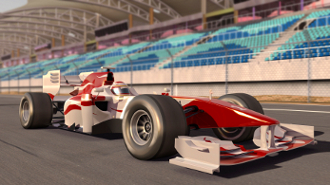 High-performance education can point toward street-performance shops, engine and dyno work, or motorsports. The right pathway depends on how specialized you want to get and how much general automotive training you want underneath it.
| Training path | What it emphasizes | Best fit | Main tradeoff |
|---|---|---|---|
| General automotive technology | Diagnostics, repair, electrical systems, brakes, steering/suspension, drivetrains, HVAC, and engine performance | Beginners who want the broadest service-tech foundation and career flexibility | May include little dedicated tuning, dyno, engine-building, or fabrication work |
| Automotive program + performance specialization | Broad automotive fundamentals followed by an added high-performance term, track, or specialty block | Students who want regular automotive employability plus performance skills | Longer and often more expensive than a narrow specialty course |
| Dedicated high-performance program | Performance engines, tuning, dyno work, machining, powertrain modification, and related systems | Students strongly committed to performance shops, engine building, or aftermarket work | Program breadth varies; some are much narrower than full automotive-service programs |
| Motorsports technology | Race preparation, fabrication, welding, engines, chassis setup, data acquisition, and track-oriented systems | Students interested in race shops, chassis fabrication, engine programs, or motorsports support | Racing jobs can be geographically concentrated and highly competitive |
| Short tuning or calibration training | ECU/engine-management concepts, data logging, dyno operation, and calibration workflows | Working technicians or experienced enthusiasts adding a focused skill | Usually does not replace broad mechanical and electrical training |
Current U.S. programs illustrate how different those structures can be. WyoTech currently places a 12-week High Performance Powertrains specialty after a six-month core program. UTI Mooresville lists a 15-week NASCAR Technology & Motorsports specialization. New England Institute of Technology adds a seventh high-performance term to an automotive associate degree. Ranken Technical College combines core automotive repair with a five-semester High Performance Racing Technology program. Ivy Tech lists an 18-credit, two-semester Motorsports Technology certificate, while Tuner School offers 14-week non-college-degree programs focused specifically on high-performance work and tuning.
Those durations are not interchangeable. A short specialty can be very intensive, while a longer degree may include general education and a much broader technical foundation. Compare actual instructional hours, labs, prerequisites, and outcomes, not just calendar length.
What You May Learn
Performance programs vary a lot, so no single curriculum includes everything below. A useful way to judge a school is to separate foundational technician skills from the specialty skills built on top of them.
Foundational automotive skills
- Engine operation, mechanical diagnosis, compression and leak testing
- Electrical and electronic diagnosis with multimeters, scan tools, and other test equipment
- Fuel, ignition, sensor, and drivability diagnosis
- Cooling-system operation and thermal management basics
- Brakes, steering, suspension, alignment, and tire fundamentals
- Manual and automatic drivetrain fundamentals
- OBD systems, emissions controls, repair information, and shop safety
Performance-specialty skills
- Performance engine assembly, measurement, blueprinting, and machining where facilities allow it
- EFI and engine-management fundamentals
- ECU calibration, data logging, and dyno testing
- Forced-induction systems such as turbochargers and superchargers
- Fuel-system and ignition changes for higher-output combinations
- Performance cooling, intake, exhaust, and drivetrain systems
- Suspension tuning, braking upgrades, alignment, corner weighting, and chassis setup
- Fabrication and welding in programs with a motorsports or chassis emphasis
- Motorsports data acquisition and race-vehicle preparation where offered
The dependency matters. A tuner needs enough diagnostic skill to tell the difference between a calibration problem and a failing fuel pump, sensor, ignition component, or mechanical engine problem. A chassis specialist needs normal alignment and suspension fundamentals before race setup starts making sense. A good program teaches you to diagnose the car before blaming the tune.
Modern Performance Work Is Increasingly Electronic
Performance training should not be frozen in the carburetor era. Current vehicles can combine direct injection, electronic throttle control, variable valve timing, turbocharging, networked control modules, sophisticated automatic transmissions, and extensive software-based torque management. Data logging and electronic diagnosis are now core parts of serious performance work.
Hybrid and electric performance vehicles add another layer. Not every high-performance school currently teaches high-voltage systems, and you should not assume that it does. But if you want to work on modern performance platforms, ask whether the broader automotive curriculum includes hybrid/EV safety and whether suspension, tire, alignment, or chassis modifications are taught with modern electronic safety systems in mind.
How to Evaluate a High-Performance Automotive School
A shiny dyno in a promotional photo does not tell you whether students ever touch the controls. Before enrolling, ask specific questions about what you will actually do.
- How much hands-on lab time is included? Ask for the actual schedule, not a vague claim that the program is "hands-on."
- Do students operate the dynamometer? Find out whether you will set up vehicles, connect sensors, run tests, collect data, and interpret results or mostly watch demonstrations.
- Does the program teach diagnosis before modification? Electrical and drivability fundamentals matter when something goes wrong.
- What vehicle technologies are represented? Ask about fuel injection, modern engine management, direct injection, networked electronics, and current scan/data tools.
- Is engine building actually engine machining? Assembling an engine and machining blocks/heads are different skill levels requiring very different facilities.
- What fabrication equipment is available? If chassis or motorsports work interests you, ask about TIG/MIG welding, tube work, machining, and sheet-metal equipment.
- What software and data systems do students use? Specific platforms matter less than learning transferable calibration and diagnostic concepts.
- Does the curriculum address emissions compliance? A professional program should not teach illegal defeat-device work as normal tuning practice.
- What tools must you buy? Required hand tools, meters, welding PPE, laptops, software, books, and safety gear can materially change the real price.
- What happens after graduation? Ask for recent completion and employment outcomes and whether graduates are landing specialty roles or mostly general automotive jobs.
Also check institutional and program accreditation where relevant. The TSNET accreditation guide explains the broader issue. For automotive programs, ASE Education Foundation accreditation can also be a useful quality signal, but it does not mean every high-performance specialty has the same curriculum or equipment.
Car Tuning School: When a Short Program Makes Sense
Tuning is a real specialty, but search results mix together several very different products: full automotive programs, in-person tuning schools, weekend software seminars, self-paced online courses, and hobbyist tutorials. That makes "car tuning school" one of the easiest searches to misunderstand.
A focused tuning course can make sense if you already understand engine mechanics, fuel and ignition systems, electrical diagnosis, and scan data. It can also be useful continuing education for a working technician. For a beginner, however, a narrow course may leave major gaps in mechanical diagnosis, brakes, suspension, cooling, and general repair.
If tuning is your main goal, ask whether the instruction covers the reasoning behind calibration changes, safe testing, data interpretation, drivability, and emissions compliance rather than simply teaching which tables or buttons to change in one software package.
Legal Tuning and Emissions Compliance
Professional performance work has a legal boundary that schools should teach clearly. The U.S. Environmental Protection Agency says the Clean Air Act prohibits tampering with emissions controls and manufacturing, selling, or installing aftermarket defeat devices. That includes hardware or software designed to bypass or render required emissions controls inoperative.
Legal aftermarket performance work still exists. EPA's tampering policy recognizes documented bases for showing that a modification does not adversely affect emissions. And on July 1, 2026, EPA recognized the Specialty Equipment Market Association's Certified-Emissions (SC-E) testing program as an additional way for aftermarket manufacturers to demonstrate federal emissions compliance, alongside existing approaches such as California Air Resources Board Executive Orders.
Federal compliance is not the whole story. States can impose additional requirements. California, for example, includes a modified-software check in its Smog Check program; the Bureau of Automotive Repair says vehicles identified with illegally modified software fail the inspection, while OEM- or CARB-approved software configurations can pass that check.
The practical school-selection question is simple: Does the program teach how to make and validate lawful performance changes, or does it normalize disabling emissions systems? If it is the latter, that is a giant red flag wearing a louder exhaust.
ASE Certifications That Can Matter
ASE does not list a professional certification called "high-performance mechanic" or "car tuner." Instead, performance technicians can build credibility through broader diagnostic and repair credentials that support specialty work.
Relevant Automobile & Light Truck tests can include A1 Engine Repair, A6 Electrical/Electronic Systems, and A8 Engine Performance. The L1 Advanced Engine Performance Specialist credential goes deeper into complex powertrain diagnosis, and ASE currently requires candidates to have passed A8 before registering for the regular L1 test.
Passing a test alone does not automatically make someone ASE certified. ASE also requires relevant hands-on work experience, although formal training can substitute for some of that requirement depending on the credential and training. Certification credentials also require periodic recertification. For the current rules and test structure, use the dedicated ASE certification guide and verify requirements directly with ASE before planning your timeline.
How Much Does High-Performance Automotive School Cost?
There is no honest nationwide average for "high-performance automotive school." The market includes public college certificates, associate degrees, private trade-school programs, add-on specialties, and short proprietary tuning courses. Comparing tuition without comparing what the program includes is close to useless.
For example, a short specialty may last only a few months but still carry substantial tuition, while a public-college certificate may cost less even though it runs across multiple semesters. Before comparing programs, total up:
- Tuition and mandatory school fees
- Application, lab, technology, or testing fees
- Required tools and tool storage
- Safety equipment and welding PPE where applicable
- Books, laptops, diagnostic software, or licensing costs
- Housing and transportation if you must relocate
- The income you may give up during an intensive full-time schedule
Use the school's current cost sheet and financial-aid disclosures rather than an old third-party price. For a broader framework, see how trade school costs work.
Career Options and Pay: What the Data Can Actually Tell You
 Possible job titles include performance automotive technician, engine builder, tuning or calibration technician, dyno technician, motorsports technician, race-team mechanic, and fabrication technician. The problem is that the federal labor-data system does not neatly track most of those specialty titles as separate occupations.
The closest broad national benchmark for many mechanical performance roles is the U.S. Bureau of Labor Statistics category Automotive Service Technicians and Mechanics (SOC 49-3023). BLS reports a May 2025 median wage of $50,620 per year ($24.34 per hour). Employment in the occupation is projected to grow 5 percent from 2025 to 2035, with about 66,200 openings per year on average over the decade.
Those numbers describe the broad automotive-service occupation, not a guaranteed salary for tuners, race mechanics, engine builders, or dyno technicians. Specialty pay can vary with location, employer, experience, productivity, fabrication or diagnostic ability, and whether the work is in ordinary repair, aftermarket performance, manufacturing, or racing. Be suspicious of precise national "race mechanic salary" figures that cannot be tied to a credible occupational dataset.
See the current BLS Automotive Service Technicians and Mechanics profile.
Is High-Performance Automotive Training Worth It?
It can be, if the specialization matches the work you want and the program still gives you enough fundamentals to be employable when the exciting project car is not the thing sitting in your bay.
A broad automotive program with a performance specialization is often the safer choice for beginners who want flexibility. Dedicated motorsports or engine-building programs can be a better fit when you already know you want race-shop, fabrication, machining, or performance work. Short tuning programs are easiest to justify when you already have mechanical and diagnostic fundamentals and want targeted calibration experience.
Before enrolling, answer three questions:
- What work do I actually want to do? Engine building, tuning, chassis/fabrication, and race-team support are different specialties.
- How broad does my fallback career need to be? A general automotive foundation can open more dealership, fleet, and independent-shop roles.
- What will I personally do in the lab? Equipment lists matter less than verified student access and repeated hands-on practice.
If your real interest is preserving and rebuilding classic vehicles rather than increasing performance, compare automotive restoration training instead.
Sources and Verification
Key facts on this page were checked against current primary sources on September 4, 2026:
- U.S. Bureau of Labor Statistics: Automotive Service Technicians and Mechanics (May 2025 wage data; 2025-35 projections)
- ASE: Automobile & Light Truck Certification Tests (A1-A9)
- ASE: L1 Advanced Engine Performance Specialist
- ASE: Work Experience Requirements
- U.S. EPA: Vehicle and Engine Tampering Policy
- U.S. EPA: July 1, 2026 recognition of SEMA Certified-Emissions testing
- California Bureau of Automotive Repair: OBD Test Reference
Current program-structure examples were checked against official school sources. Program length, curriculum, costs, equipment, and availability can change, so verify the current catalog before enrolling.
- UTI Mooresville: NASCAR Technology & Motorsports Training
- WyoTech: High Performance Powertrains
- Ranken Technical College: High Performance Racing Technology
- New England Institute of Technology: Automotive Technology with High Performance
- Ivy Tech Community College: Motorsports Technology
- Tuner School: High-Performance Programs
Find High-Performance Automotive Training
Once you know whether you want a broad automotive foundation, a performance specialization, motorsports training, or a narrower tuning path, compare programs on what they actually teach and let you do. Use the school search below to explore available training options.