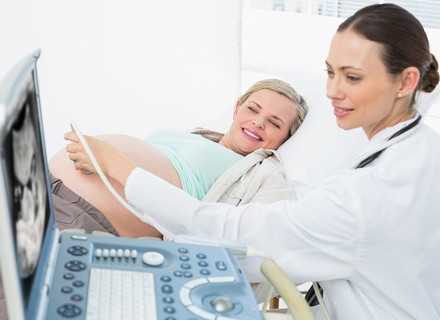
Cardiovascular Technologist Careers: Compare EKG, Echo, Vascular, and Cath Lab Roles



Cardiovascular technology is not one job. Compare careers in electrical testing, rhythm monitoring, cardiac and vascular ultrasound, cath labs, and electrophysiology before choosing a training program.
The Quick Answer
Some cardiovascular professionals record the heart’s electrical activity. Others monitor rhythms, create ultrasound images, or assist with invasive procedures.
These careers may share similar titles but can require very different education, clinical training, credentials, schedules, and physical abilities. Start by choosing the type of work, not the school name.
What This Guide Covers
Compare the Main Cardiovascular Career Paths
EKG and Cardiographic Testing
Main work: Record heart electrical activity and support resting, ambulatory, or stress testing.
Typical preparation: Employer training or a postsecondary certificate.
Credential example: CCT.
Telemetry and Rhythm Monitoring
Main work: Observe cardiac rhythms through centralized or remote monitoring systems.
Typical preparation: Employer training, a certificate, or related healthcare experience.
Credential example: CRAT.
Cardiac Sonography
Main work: Use ultrasound to create images and measurements of the heart.
Typical preparation: Postsecondary cardiac-sonography education with supervised clinical training.
Credential examples: RCS and RDCS.
Vascular Technology
Main work: Use ultrasound to evaluate blood vessels and circulation.
Typical preparation: Postsecondary vascular or sonography education with clinical training.
Credential examples: RVS and RVT.
Invasive Cardiovascular Technology
Main work: Support diagnostic and interventional procedures in cardiac catheterization labs.
Typical preparation: Cardiovascular-technology education and substantial clinical preparation.
Credential example: RCIS.
Cardiac Electrophysiology
Main work: Support invasive procedures involving the heart’s electrical system.
Typical preparation: Cardiovascular or electrophysiology preparation plus specialty experience.
Credential example: RCES.
CAAHEP recognizes five cardiovascular-technology specialties: invasive cardiovascular technology, adult cardiac sonography, pediatric cardiac sonography, noninvasive vascular study, and cardiac electrophysiology. EKG and telemetry roles are also part of the broader workforce but may follow shorter or employer-based training routes.
Primary source: CAAHEP cardiovascular technology profession description.
Cardiovascular Technologist vs. Cardiovascular Technician
There is no universal dividing line between a cardiovascular technologist and a cardiovascular technician.
Some employers use technician for jobs involving EKG testing, ambulatory monitors, or focused diagnostic support. They may reserve technologist for workers with broader imaging, monitoring, or invasive responsibilities. Other employers use the titles interchangeably.
The Bureau of Labor Statistics combines both titles under SOC 29-2031, Cardiovascular Technologists and Technicians. That category includes invasive cardiovascular specialists, cardiographic or EKG technicians, pulmonary-function technologists, and other workers. Ultrasound-based heart and vascular roles are generally placed in the separate diagnostic-medical-sonographer occupation.
Compare the Job, Not Just the Title
- Required education and clinical experience
- Required or preferred credentials
- Tests or procedures performed
- Imaging responsibilities
- Patient acuity
- Schedule and call requirements
- Whether the work is invasive or noninvasive
A technician title does not automatically mean entry level, and a technologist title does not guarantee one specific degree or scope of responsibility.
Primary source: BLS Occupational Outlook Handbook.
What the Main Cardiovascular Specialists Do
EKG and Cardiographic Technicians
EKG technicians record the heart’s electrical activity using electrocardiographic equipment. Depending on their employer and training, they may work with resting ECGs, ambulatory monitors, or stress-testing services.
BLS says EKG technicians may qualify for some entry-level jobs with a high school diploma or equivalent and that certificate programs are generally completed in under a year. Requirements vary by employer.
Cardiovascular Credentialing International’s Certified Cardiographic Technician credential is intended for professionals working with ECG, Holter monitoring, and stress testing.
Compare EKG technician training options.
Telemetry and Cardiac-Monitor Technicians
Telemetry technicians, also called cardiac-monitor or rhythm-analysis technicians, observe heart-rhythm information through centralized or remote monitoring systems.
They may monitor multiple patients and report significant changes according to facility protocols. They do not replace the nurses, physicians, or other clinicians responsible for assessing patients and making treatment decisions.
Because hospital monitoring continues around the clock, telemetry positions may involve day or night shifts, weekends, holidays, sustained screen observation, and rapid communication with clinical teams.
CCI’s Certified Rhythm Analysis Technician credential is intended for professionals who use specialized monitoring equipment to analyze cardiac rhythms.
Cardiac Sonographers
Cardiac sonographers, also called echocardiographers or echo technologists, use ultrasound equipment to create images of the heart.
Specialty areas may include adult, pediatric, fetal, and congenital cardiac sonography. Work settings include hospitals, echo labs, cardiology practices, outpatient imaging centers, and pediatric or specialty facilities.
BLS classifies cardiac sonographers within the broader diagnostic-medical-sonographer occupation. Training typically combines anatomy, applied science, specialized technical instruction, and supervised clinical education.
- RCS: Registered Cardiac Sonographer from CCI
- RDCS: Registered Diagnostic Cardiac Sonographer from ARDMS
CCI offers multiple RCS eligibility pathways. RDCS uses cardiac specialty examinations in adult, pediatric, or fetal echocardiography along with sonography-physics and eligibility requirements.
Explore ultrasound and sonography programs.
Vascular Technologists and Sonographers
Vascular technologists use ultrasound to create images of blood vessels and collect information related to circulation. Cardiac and vascular sonographers use similar technology, but they focus on different anatomy and clinical questions.
Common settings include hospitals, vascular labs, cardiology or vascular practices, outpatient imaging centers, and diagnostic laboratories.
- RVS: Registered Vascular Specialist from CCI
- RVT: Registered Vascular Technologist from ARDMS
Some sonographers earn credentials in both cardiac and vascular imaging, but one specialty does not automatically qualify someone for the other.
Invasive Cardiovascular and Cath-Lab Technologists
Invasive cardiovascular technologists support diagnostic and interventional procedures in cardiac catheterization labs.
Depending on the employer and team structure, their work may include preparing patients and procedural areas, monitoring patients and cardiovascular data, operating imaging or hemodynamic equipment, supporting sterile teams, maintaining supplies, assisting with documentation, and responding to urgent cases.
A cath-lab team may include invasive cardiovascular technologists, radiologic technologists, registered nurses, physicians, and other specialists. Exact responsibilities depend on professional background, facility policy, credentials, and state rules.
Many cath-lab procedures use fluoroscopy. OSHA recommends radiation-safety training, exposure monitoring where required, shielding, and properly fitted lead or lead-equivalent protective equipment. Prolonged use of protective garments may contribute to neck and back discomfort.
Hospital cath-lab positions may involve early starts, extended days, emergency cases, overtime, call rotations, and a required response time while on call. Those conditions are common in some facilities but are not universal.
CCI’s Registered Cardiovascular Invasive Specialist credential is intended for professionals working in cardiac catheterization. Multiple eligibility pathways exist.
Electrophysiology-Lab Technologists
Cardiac electrophysiology focuses on the heart’s electrical system. EP-lab technologists support specialized invasive procedures involving cardiac rhythms and implanted devices.
Their work may include technical monitoring, equipment operation, documentation, and procedural-team support. This is generally an advanced invasive specialty rather than a short-entry technician role.
CCI’s Registered Cardiac Electrophysiology Specialist credential is intended for professionals working in electrophysiology.
EKG vs. Echo vs. Vascular vs. Cath Lab
| Factor | EKG technician | Cardiac sonographer | Vascular technologist | Cath-lab technologist |
|---|---|---|---|---|
| Primary focus | Heart electrical activity | Heart imaging | Blood-vessel imaging | Invasive cardiac procedures |
| Main technology | Electrocardiographic equipment | Ultrasound | Ultrasound | Fluoroscopy, monitoring, and procedural equipment |
| Imaging | No | Yes | Yes | Often |
| Invasive | No | Usually no | Usually no | Yes |
| Common education | Employer training or certificate | Postsecondary sonography education | Postsecondary sonography or vascular education | Cardiovascular education with clinical preparation |
| Credential examples | CCT | RCS or RDCS | RVS or RVT | RCIS |
| Common settings | Clinics, hospitals, diagnostic services | Hospitals, echo labs, imaging centers | Hospitals, vascular labs, imaging centers | Hospitals and procedural centers |
| Schedule considerations | Shift work in some facilities | Shift work or call in some hospital roles | Shift work or call in some hospital roles | Emergency call and overtime may be common |
| Physical considerations | Standing and patient contact | Repetitive scanning, reaching, and patient handling | Repetitive scanning, reaching, and patient handling | Standing, patient handling, and protective garments |
| May appeal to someone who prefers | A shorter entry route and focused testing | Detailed imaging of the heart | Imaging focused on circulation | Acute, procedural, team-based work |
Which Roles Participate in Common Cardiovascular Tests?
| Test or procedure | What it generally evaluates | Imaging? | Invasive? | Roles commonly involved |
|---|---|---|---|---|
| Resting ECG | Heart electrical activity during a brief test | No | No | EKG technician, medical assistant, nurse, or another trained worker |
| Ambulatory monitoring | Heart electrical activity over an extended period | No | No | EKG, Holter, rhythm, or monitoring technician |
| Stress testing | Cardiovascular response under controlled stress | Sometimes | No | Cardiographic technician, nurse, exercise specialist, sonographer, or imaging professional |
| Telemetry | Ongoing cardiac-rhythm monitoring | No | No | Telemetry technician, nurse, and clinical team |
| Echocardiography | Heart structures, movement, and blood flow | Yes | Usually no | Cardiac sonographer |
| Vascular ultrasound | Blood vessels and circulation | Yes | Usually no | Vascular technologist or sonographer |
| Cardiac catheterization | Cardiovascular anatomy, pressure, or blood flow during invasive procedures | Yes | Yes | Invasive technologist, nurse, radiologic technologist, and physician |
| Electrophysiology procedure | Heart electrical pathways and rhythm disorders | Yes | Yes | EP technologist, nurse, physician, and other procedural staff |
The mix of professionals involved varies by facility, credentials, state rules, and employer policy.
Invasive vs. Noninvasive Cardiovascular Technology
Noninvasive roles perform tests without inserting instruments into the heart or blood vessels. These include EKG testing, telemetry, echocardiography, and vascular ultrasound. Invasive professionals work in procedural environments such as cath and EP labs.
| Factor | Noninvasive work | Invasive work |
|---|---|---|
| Main work | Electrical testing, monitoring, or ultrasound imaging | Procedural and technical support |
| Sterile environment | Usually not | Often |
| Radiation exposure | Generally absent in ECG and ultrasound roles | May be present when fluoroscopy is used |
| Emergency cases | Depends on setting | More common in acute hospital environments |
| On-call work | Possible in some hospital roles | Common in some cath-lab and EP positions |
| Physical demands | Standing, reaching, scanning, and patient handling | Standing, patient handling, equipment movement, and protective garments |
| Credential examples | CCT, CRAT, RCS, RDCS, RVS, RVT | RCIS, RCES |
Neither side is automatically easier. Noninvasive imaging may involve repetitive physical movement and prolonged concentration. Invasive work may involve emergency cases, radiation precautions, call schedules, and critically ill patients.
What Is the Work Really Like?
Where Cardiovascular Professionals Work
About 75 percent of workers in BLS’s combined cardiovascular-technologists-and-technicians occupation worked in hospitals in 2024. Physician offices, outpatient centers, and diagnostic laboratories employed smaller shares.
- General hospitals
- Cardiac catheterization and electrophysiology labs
- Echocardiography and vascular labs
- Cardiology offices
- Outpatient imaging centers
- Diagnostic laboratories
- Pediatric hospitals
- Remote cardiac-monitoring services
The setting can affect patient acuity, pace, shift length, call requirements, emergency exposure, physical demands, and credential expectations.
Patient Interaction
Even highly technical cardiovascular jobs involve people. Workers may communicate with patients who are anxious, uncomfortable, critically ill, disabled, or unable to reposition themselves easily.
Cardiovascular professionals also work closely with physicians, nurses, respiratory therapists, imaging professionals, and other healthcare workers.
Physical Demands
BLS says cardiovascular technologists, technicians, and sonographers may stand for long periods and lift or turn patients who need assistance.
Sonography has additional ergonomic risks. OSHA identifies repetitive motion, prolonged reaching, awkward positioning, transducer use, equipment movement, and patient handling as potential causes of musculoskeletal injury.
Invasive and fluoroscopy-based work may involve prolonged standing and protective equipment. OSHA notes that extended lead-apron use can contribute to neck and back discomfort.
Shifts, Weekends, and Call
Cardiovascular technologists and sonographers working in continuously operating facilities may have evening, weekend, holiday, or overnight shifts. Some hospital imaging, cath-lab, and EP positions include call. Other jobs offer regular weekday schedules.
- Is call required, and how frequently?
- What response time is expected?
- Are nights and weekends rotated?
- How is overtime handled?
- Is call pay separate?
- Are schedules fixed or variable?
Emotional Demands
Some cardiovascular workers interact mainly with stable outpatients. Others regularly encounter emergency cases, critically ill patients, or procedures in which a patient’s condition can change quickly.
The work can require sustained concentration, calm communication, attention to technical detail, comfort with blood or bodily fluids, emotional resilience, and teamwork under pressure.
What Education Do Cardiovascular Careers Require?
There is no single cardiovascular-technology program that prepares someone for every specialty.
| Education path | Potential destination | Main limitation |
|---|---|---|
| Employer training | Some basic EKG or monitoring roles | Usually narrow and employer-specific |
| Short certificate | EKG, ECG, cardiographic, or telemetry work | Does not prepare graduates for ultrasound or invasive procedures |
| Cardiovascular-technology certificate | Specialty training, often building on prior education | Concentration and credential eligibility vary |
| Associate degree | Common route for invasive CVT, cardiac sonography, or vascular technology | The program must match the intended specialty |
| Bachelor’s degree | Entry preparation, completion study, leadership, or education | Not universally required |
| Post-primary specialty program | Existing healthcare or imaging professionals | Prior experience does not erase specialty requirements |
BLS says cardiovascular technologists and technicians typically need an associate degree or postsecondary certificate. EKG technicians may qualify for some entry-level jobs through employer training or a program completed in under a year. Diagnostic medical sonographers generally need at least an associate degree or postsecondary certificate.
Program length alone is a lousy quality measure. A short program may be appropriate for EKG work. It would not be sufficient preparation for cardiac ultrasound or invasive cardiovascular procedures.
Why Clinical Education Matters
Clinical education helps students work with patients under supervision, practice with specialty equipment, learn workflow, demonstrate competencies, experience different settings, and decide whether the specialty fits them.
Clinical requirements vary by program, concentration, accreditor, and credential pathway.
- Does the program arrange clinical placements?
- Where do rotations occur?
- How far might students need to travel?
- Can rotations occur during evenings or weekends?
- What happens if a clinical site becomes unavailable?
- Will students gain experience in the intended specialty?
Accreditation and Program Quality
Institutional accreditation evaluates a school or college as a whole. Programmatic accreditation evaluates a specific educational program or concentration.
CAAHEP accredits allied-health programs based on recommendations from specialty review committees. JRC-CVT reviews cardiovascular-technology programs. JRC-DMS reviews diagnostic-medical-sonography programs, including adult cardiac, pediatric cardiac, and vascular concentrations.
That concentration detail matters. A sonography program accredited in one area is not automatically accredited in cardiac or vascular sonography.
Programmatic accreditation can influence curriculum quality, clinical preparation, employer confidence, credential eligibility, access to clinical sites, and transferability. It is not always the only credentialing route because CCI and ARDMS maintain alternative pathways for some applicants.
Questions to Ask a School
- Which exact specialty does the program teach?
- Is that concentration programmatically accredited?
- Which professional credentials may graduates pursue?
- Where do clinical rotations occur?
- Does the program arrange clinical placements?
- Can rotations require evening, weekend, or long-distance travel?
- What percentage of admitted students graduate?
- What are the recent credential-exam pass rates?
- What equipment is available in the training lab?
- Are credits transferable?
- What costs are excluded from tuition?
- Does the program satisfy requirements in the state where you plan to work?
Credentials for Cardiovascular Careers
A certificate or degree awarded by a school is an educational award. Professional credentials are separately awarded by organizations such as CCI or ARDMS after candidates meet eligibility and examination requirements.
| Work area | Credential | Issuer | Important limitation |
|---|---|---|---|
| ECG, Holter, and stress testing | CCT | CCI | Does not qualify someone for sonography or invasive work |
| Cardiac-rhythm analysis | CRAT | CCI | Focuses on monitoring and rhythm-analysis work |
| Cardiac sonography | RCS | CCI | Multiple eligibility pathways exist |
| Cardiac sonography | RDCS | ARDMS | Uses cardiac specialty and sonography-physics requirements |
| Vascular ultrasound | RVS | CCI | Eligibility varies by education and clinical background |
| Vascular ultrasound | RVT | ARDMS | Uses vascular-specialty and sonography-physics requirements |
| Invasive cardiovascular technology | RCIS | CCI | Requires an applicable education, clinical, or experience pathway |
| Cardiac electrophysiology | RCES | CCI | Specialty-specific |
| Congenital cardiac sonography | RCCS | CCI | Specialty-specific |
CCI distinguishes certificate-level credentials such as CCT and CRAT from registry credentials in sonography, vascular technology, invasive cardiology, and electrophysiology.
Requirements can change. Verify them directly with the issuing organization before choosing a program.
Certification vs. Licensing
There is no single national cardiovascular-technologist license. Requirements depend on the state, specialty, type of imaging or radiation used, professional background, employer, and facility policy.
A professional credential demonstrates that someone met an organization’s standards. A state license provides legal authorization to practice a regulated profession within that state.
Students should verify both the credentials expected by employers and the laws in the state where they plan to work.
Cardiovascular Technologist Salary and Job Outlook
Cardiovascular Technologists and Technicians
Median annual wage
$67,260May 2024
Employment
64,7002024 national estimate
Projected growth
3%2024 to 2034
Annual openings
3,800Average projected openings
BLS reported a median hourly wage of $32.34 in May 2024. The lowest 10 percent earned less than $37,890 annually, and the highest 10 percent earned more than $108,900. Employment is projected to reach 66,600 by 2034, an increase of about 1,900 jobs.
Diagnostic Medical Sonographers
Median annual wage
$89,340May 2024
Employment
90,0002024 national estimate
Projected growth
13%2024 to 2034
Annual openings
5,800Average projected openings
Cardiac and vascular sonographers are counted within this broader occupation. BLS projects an increase of about 11,700 jobs from 2024 to 2034.
Pay varies with location, responsibilities, experience, employer, shift differentials, call, and overtime. A precise specialty salary ladder would be useful. It would also be fiction.
Can an EKG Technician Advance Into Cardiovascular Technology?
Yes, but EKG experience is a foundation, not a substitute for specialty education.
Potentially transferable skills include patient communication, cardiovascular terminology, familiarity with electrical testing, medical documentation, healthcare workflow, and infection-control practices.
Someone moving into cardiac sonography would still need ultrasound physics, image-acquisition training, supervised clinical experience, and an applicable credential pathway. Someone moving into invasive cardiovascular technology would still need specialty education, procedural preparation, clinical experience, and relevant credential eligibility.
An EKG technician cannot become a cardiac sonographer or cath-lab technologist merely by adding another certification exam.
Other Possible Transitions
- Medical assistant or patient-care technician to EKG work: Patient-care experience may help, but it does not automatically qualify someone for imaging or invasive work.
- General sonographer to cardiac or vascular sonography: Additional clinical experience, documentation, or examinations may be required.
- Radiologic technologist to cath-lab work: Imaging and radiation-safety experience may transfer, but cardiovascular training and credentials may still be required.
- Respiratory therapist, nurse, paramedic, or another health professional: Some CCI pathways accept related health-science education when the applicant also meets specialty requirements.
- Experienced technologist to leadership or education: Potential paths include lead technologist, clinical coordinator, instructor, applications specialist, quality coordinator, or department manager.
How to Choose a Cardiovascular Program
Start with the specialty, not the school advertisement.
1. Decide What Kind of Work You Want
- Electrical testing, monitoring, imaging, or procedures?
- Invasive or noninvasive work?
- Scheduled outpatient care or acute hospital care?
- Possible nights, weekends, or call?
- Detailed visual work or rhythm monitoring?
- How much formal education are you willing to complete?
2. Check the Program Concentration
A program labeled “cardiovascular technology” may focus on invasive cardiovascular technology, adult or pediatric cardiac sonography, vascular technology, electrophysiology, or more than one concentration. Do not assume it covers all of them.
3. Verify Accreditation and Credential Eligibility
- Which organization accredits the program?
- Which exact concentration is accredited?
- Which credentials may graduates pursue?
- Does the program publish exam outcomes?
- Does state licensing apply?
4. Examine the Clinical Education
- Who secures placements?
- How many clinical partners are available?
- How far might students need to travel?
- What happens if a site withdraws?
- Will students gain experience in the intended specialty?
5. Calculate the Real Cost
Include tuition, fees, books, uniforms, equipment, background checks, immunizations, transportation, credential examinations, lost work time, and travel to clinical placements.
The cheapest program is not necessarily the least expensive if it delays credential eligibility or lacks dependable clinical placements.
Ready to compare training?
Which Cardiovascular Specialty May Fit You?
EKG or Cardiographic Testing
- You want a relatively short entry route.
- You prefer focused diagnostic testing.
- You are comfortable working directly with patients.
- You want experience in a hospital or cardiology setting.
Telemetry
- You enjoy sustained concentration and pattern recognition.
- You are comfortable at a monitoring station.
- You communicate quickly with clinical teams.
- Shift work does not bother you.
Cardiac Sonography
- You enjoy detailed imaging.
- You are interested in heart anatomy and function.
- You will complete substantial clinical education.
- You can tolerate repetitive physical work.
Vascular Technology
- You are interested in circulation and blood vessels.
- You enjoy ultrasound and detailed technical work.
- You want hospital, laboratory, or outpatient options.
- You may want related sonography credentials later.
Invasive Cardiovascular Technology
- You enjoy fast-paced procedural environments.
- You can remain focused during emergencies.
- You are comfortable with sterile settings and radiation precautions.
- You can accept possible call and overtime.
Electrophysiology
- You are interested in cardiac rhythms and invasive technology.
- You enjoy complex equipment.
- You are prepared for advanced specialization.
- You want a specialized procedural team.
No checklist can guarantee career satisfaction. Use these signals to identify what to investigate next.
Explore Related Training Paths
Compare schools, training formats, and program questions.
Explore shorter electrical-testing pathways.
Compare education for diagnostic imaging careers.
Explore an adjacent imaging route that may lead to cath-lab opportunities.
Compare a related cardiopulmonary profession.
Explore foundational patient-care training.
Frequently Asked Questions
What does a cardiovascular technologist do?
Cardiovascular technologists conduct or support tests and procedures involving the heart, blood vessels, or lungs. Duties may include EKG testing, patient monitoring, ultrasound imaging, or assisting with invasive procedures.
What is the difference between a cardiovascular technologist and technician?
There is no universal difference. Some employers use technician for narrower testing or monitoring roles and technologist for imaging or invasive specialties. Others use the terms interchangeably.
Is a cardiac sonographer a cardiovascular technologist?
Cardiac sonography is part of the cardiovascular career family, but federal labor statistics classify cardiac sonographers with diagnostic medical sonographers rather than SOC 29-2031.
What is the difference between an EKG technician and an echo technician?
An EKG technician records electrical activity. An echo technician or cardiac sonographer uses ultrasound to acquire images of the heart. Echo work generally requires substantially more imaging and clinical preparation.
What is the difference between cardiac and vascular sonography?
Cardiac sonography focuses on the heart. Vascular sonography focuses on blood vessels and circulation. Both use ultrasound, but their anatomy, competencies, examinations, and credentials differ.
What does a cath-lab technologist do?
A cath-lab technologist supports invasive cardiovascular procedures. Duties may include patient preparation, monitoring, equipment operation, documentation, and procedural-team support, depending on the workplace and professional background.
Do cardiovascular technologists need an associate degree?
BLS lists an associate degree or postsecondary certificate as typical formal preparation. Some EKG technicians qualify through shorter training or employer instruction, while specialty roles may require more extensive education and clinical experience.
Do cardiovascular technologists need certification?
Some employers require a relevant credential, while others prefer one or allow employees time to earn it. Requirements vary by specialty, employer, facility, and state.
Do cardiovascular technologists need a license?
There is no single national rule. Some states regulate specific medical-imaging or sonography roles. Check the current requirements where you plan to work.
How long does cardiovascular-technologist training take?
Training may range from employer instruction or a short EKG certificate to an associate or bachelor’s degree. The appropriate path depends on the specialty and the applicant’s previous education.
Do cardiovascular technologists work nights and weekends?
Some do. Hospitals and other continuously operating facilities may require evening, weekend, holiday, or overnight shifts.
Do cath-lab technologists take call?
Many hospital cath-lab positions include call, but it is not universal. Ask each employer about frequency, response times, weekends, and overtime.
Is cardiovascular technology physically demanding?
It can be. Depending on the specialty, work may involve standing, patient handling, moving equipment, repetitive scanning, awkward reaching, or prolonged use of radiation-protective garments.
Can an EKG technician become a cardiovascular technologist?
Yes, but additional education and clinical training are usually necessary for sonography, vascular technology, invasive cardiology, or electrophysiology.
Which cardiovascular specialty pays the most?
Reliable national data do not isolate every cardiovascular specialty well enough to rank them confidently. BLS combines several roles under SOC 29-2031 and includes cardiac and vascular sonographers in a broader sonography category.
Is programmatic accreditation important?
Yes. It evaluates the curriculum and clinical preparation of a specific program or concentration and may affect credential eligibility, employer recognition, and access to clinical placements. Alternative credential pathways may still exist.
Sources and Method
This guide uses current U.S. government, accreditation, credentialing, and workplace-safety sources. Career duties and eligibility requirements were kept at a high level because scopes and credential pathways vary by employer, state, and applicant background.
- U.S. Bureau of Labor Statistics: Cardiovascular Technologists and Technicians.
- U.S. Bureau of Labor Statistics: Diagnostic Medical Sonographers.
- CAAHEP: Cardiovascular Technology.
- JRC-CVT: Cardiovascular Technology Program Review.
- JRC-DMS: Diagnostic Medical Sonography Program Review.
- Cardiovascular Credentialing International: Credential pathways and credential definitions.
- ARDMS: Certification and examination resources.
- OSHA: Sonography workplace safety and radiology workplace safety.
Data checked: July 24, 2026.
Find Cardiovascular Training Near You
Choose the specialty first, then compare programs by concentration, accreditation, clinical education, credential eligibility, cost, and schedule.